Latest Finance News & Market Trends | DealsNow.in
18 Nov 2025
India’s second-largest IT company launches a massive tender-offer buyback; small shareholders stand to benefit from higher acceptance ratios.
Published on: 19 November 2025, 12:10 AM IST
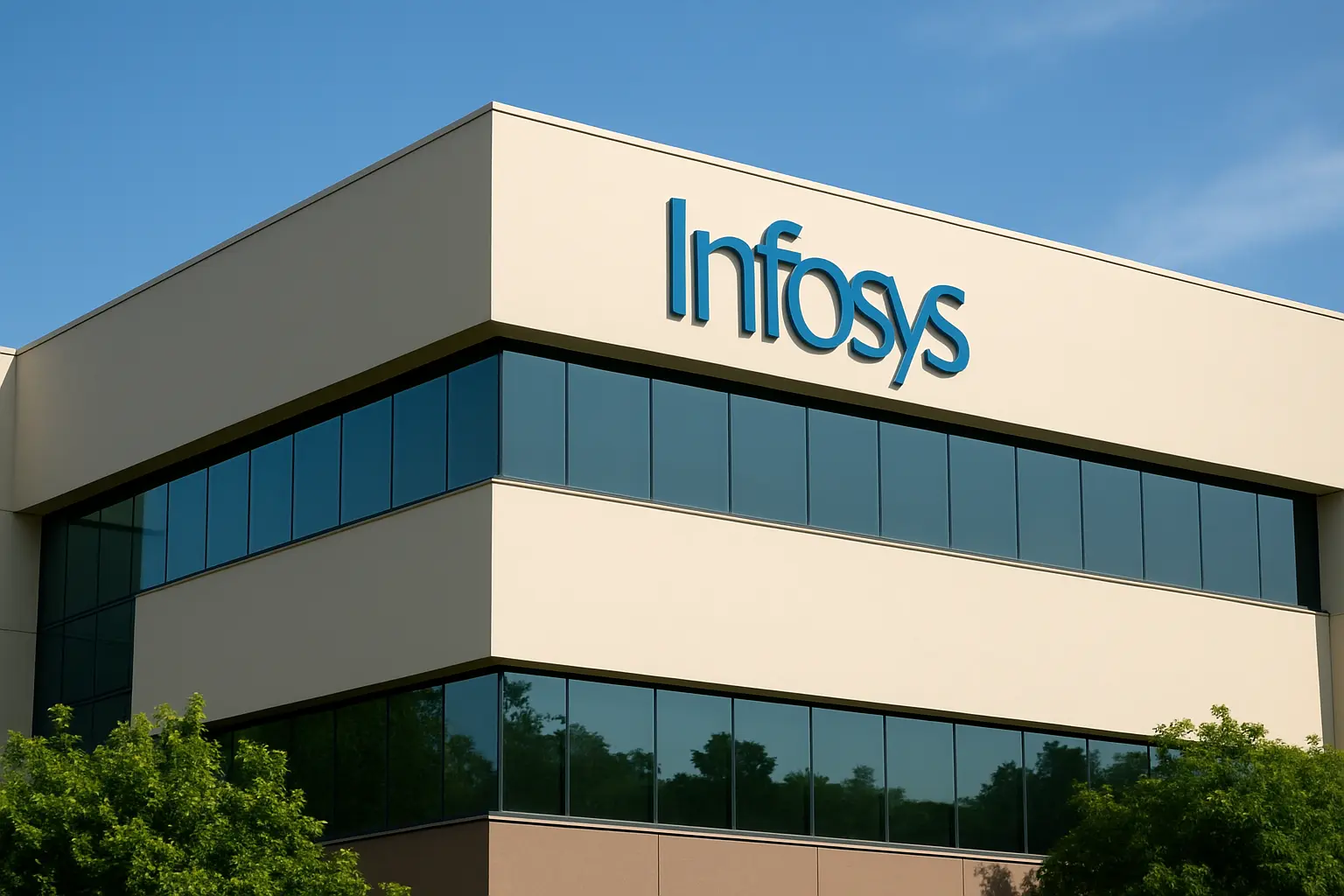
Infosys Limited has announced one of its largest share buybacks ever — a massive ₹18,000 crore tender offer at a price of ₹1,800 per share. The company will buy back up to 10 crore shares (10,00,00,000 equity shares), representing around 2.4% of its total equity. This buyback follows shareholder approval on November 4, 2025 and aims to enhance shareholder value by reducing share capital and improving earnings-per-share (EPS).
For retail investors, this buyback presents a strong opportunity to earn a premium. Infosys closed at ₹1,486 on 18 November 2025, meaning shareholders tendering their shares at the buyback price of ₹1,800 will receive a profit of ₹314 per share — a tax-free gain of 21.1%. This article covers the full details including record date, eligibility, acceptance ratio expectations, tax impact, and whether investors should consider tendering their shares.
Infosys will execute the buyback via the tender offer route, where shareholders can tender shares during a fixed window. The company confirmed the following details in its official BSE filing:
The Letter of Offer dated November 18, 2025 also confirms that Infosys has deposited ₹1,815 crore in an escrow account to comply with SEBI obligations.
Infosys has a long history of returning cash to shareholders through dividends and buybacks. The ₹18,000 crore program aims to:
Since the promoters are not participating in the buyback, their effective ownership will slightly increase, aligning interests with retail shareholders.
You are eligible for the buyback if:
Even if you bought shares earlier and sold before record date, you will NOT qualify.
SEBI mandates a 15% reservation for small shareholders. A “small shareholder” is someone holding shares worth ₹2 lakh or less on record date.
This category usually enjoys a much higher acceptance ratio compared to general shareholders.
While exact acceptance ratios will depend on total shares tendered, Infosys buybacks historically favor small shareholders.
Estimated range (based on past buybacks):
These are not guaranteed numbers but reasonable expectations based on previous tender offers.
As per the Finance Act, buyback tax is paid by the company, not by shareholders.
Hence:
This is one of the biggest reasons buybacks are attractive compared to normal selling.
Here are the two strategies retail investors generally use:
This is ideal if:
This is ideal if:
For most small shareholders, tendering at least part of the holdings is considered beneficial.
You will receive email/SMS confirmations from NSDL/CDSL.
The Infosys buyback is a major event for retail investors, offering:
If you are a small shareholder, participating partially or fully is generally considered beneficial given past acceptance ratios and buyback premiums.
Click here to view the official BSE Filing
Data as per Infosys Buyback Letter of Offer | Published on November 19, 2025
This article is for educational purposes only and does not constitute investment advice. The company data and analysis mentioned are based on publicly available information and corporate announcements. Always verify current market conditions from official sources before investing. Past performance is not indicative of future results.