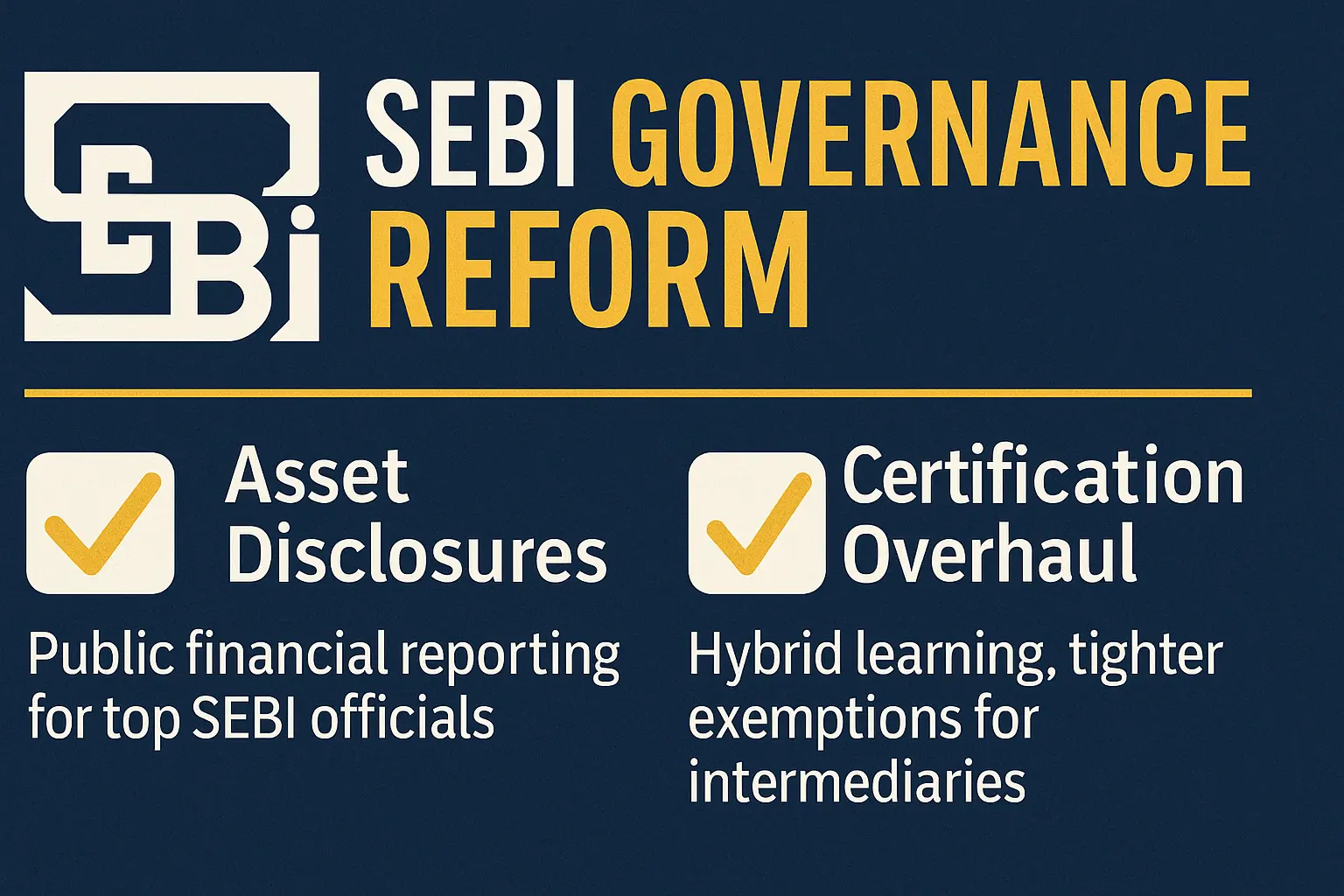
SEBI Proposes Asset Disclosure for Officials, Revamps Certification for Market Intermediaries
17 Nov 2025
India’s financial ecosystem is undergoing its biggest structural shift in decades, with traditional intermediaries losing dominance as digital-first fintech models gain scale.
Published on 18 November,2025
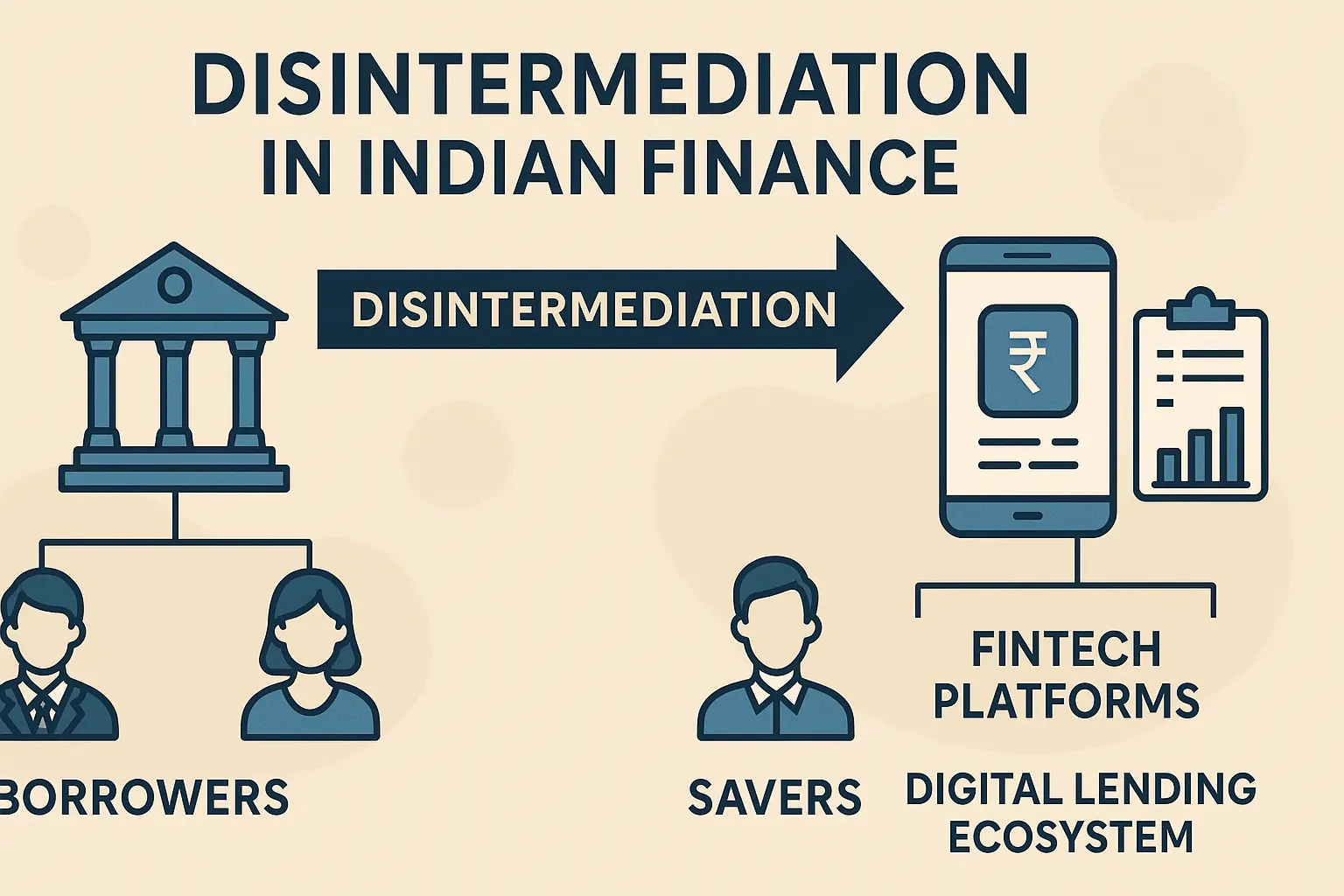
India’s financial sector is experiencing one of its biggest structural shifts in decades—disintermediation. This transformation is not sudden but has accelerated dramatically over the last five years, powered by digital adoption, fintech innovation, and changing consumer expectations. Disintermediation essentially means customers are increasingly bypassing traditional intermediaries like banks to access credit, savings products, and payments directly through digital platforms.
From UPI-led payment disruption to the rise of digital lending, alternative credit scoring, and platform-based finance, India’s financial architecture is being rewired. What makes this moment truly historic is that the shift is not limited to urban consumers; Tier-2 and Tier-3 markets are contributing equally to the momentum. This article takes a deep dive into the drivers behind this trend, market impact, regulatory implications, and what the future holds for India’s financial ecosystem.
The shift began when digital payments became mainstream through UPI, which now processes billions of monthly transactions. Unlike traditional card networks, UPI doesn’t require banks to serve as front-end facilitators. Consumers interact directly with apps like PhonePe, Google Pay, and Paytm, marking the first wave of disintermediation.
The second wave came from digital lending firms that used alternative data, automated underwriting, and AI-driven risk models to offer instant loans. This model challenged the decades-old dominance of banks in the credit ecosystem. With mobile penetration crossing 750 million users and data costs remaining among the lowest globally, fintech adoption surged even further.
Today, the trend has expanded to investments, insurance, and wealth management. Robo-advisors, online mutual fund platforms, and direct insurance marketplaces have empowered customers to make financial decisions without physically interacting with intermediaries.
A major force in disintermediation is the rapid evolution of digital lending. NBFCs, partnered with fintech platforms, now account for a huge share of small-ticket personal loans. These loans—often ranging between ₹5,000 and ₹50,000—are processed, verified, and disbursed entirely online within minutes.
Fintech lenders focus on speed and simplicity, something traditional banks struggled with due to legacy infrastructure. They also utilize alternative data—such as payment history, mobile usage patterns, employment data, and behavioral signals—to assess creditworthiness. This model has unlocked access to credit for millions who were previously unbanked or thin-file customers.
However, this growth also brings challenges. High customer acquisition costs, rising delinquencies, and regulatory tightening have forced fintechs to rethink their business models. Despite that, the digital lending market in India is projected to surpass US$300 billion by 2030, demonstrating its long-term potential.
UPI is arguably the single most powerful driver of financial disintermediation. By eliminating the need for card networks, payment processors, and even bank-led payment apps, UPI created a direct link between users and digital platforms. More than 45% of India’s total retail digital payments are now UPI-based, redefining how money moves in the economy.
What’s more, UPI is expanding into credit rails through UPI Credit and UPI Lite, paving the way for instant micro-credit and offline payments. This could further reduce the dominance of traditional credit cards and bring millions more into the formal credit ecosystem.
Investment apps like Groww, Zerodha, and Paytm Money have democratized stock market and mutual fund participation. These platforms remove intermediaries such as brokers, sub-brokers, and wealth advisors by offering low-cost, self-directed financial products directly to consumers.
Groww’s digital-first model, for instance, now attracts more new investors annually than most traditional brokers combined. Such platforms represent a new form of financial engagement where consumers prefer transparency, low fees, and real-time access to information.
The insurance sector is another critical area witnessing disintermediation. Earlier, buying insurance involved agents, paperwork, and limited product visibility. Platforms like Policybazaar eliminated these frictions by enabling customers to compare policies, premiums, and benefits instantly.
For insurers, this shift brings both opportunities and challenges. While digital distribution widens reach, it also compresses margins and increases competition. Over time, insurers may transition to fully digital underwriting, cashless claims, and AI-based fraud detection to thrive in this new landscape.
Regulators like the RBI, SEBI, and IRDAI are actively monitoring disintermediation trends. While they support fintech growth, they are equally cautious about consumer protection, data privacy, systemic risk, and governance practices. The RBI’s frameworks on digital lending, first-loss default guarantees (FLDG), and digital banking guidelines reflect a balanced approach.
The upcoming regulatory themes will likely include:
While fintechs initially emerged as challengers, the future of India’s financial sector will likely be driven by collaboration rather than competition. Banks bring capital, trust, and regulatory experience. Fintechs bring agility, innovation, and digital-first capabilities. The most successful models will be those where banks and fintechs co-create products, embed finance into digital platforms, and serve millions of new-to-credit customers.
By 2030, India could become one of the world’s largest digital financial ecosystems, with disintermediation at its core. As customers become more empowered and technology evolves, traditional intermediaries must adapt to remain relevant.
This article is for educational purposes only and does not constitute investment advice. The company data and analysis mentioned are based on publicly available information and corporate announcements. Always verify current market conditions from official sources before investing. Past performance is not indicative of future results.